Watercolor Teddy Bear Clipart: A Designer's Guide to Whimsical Branding
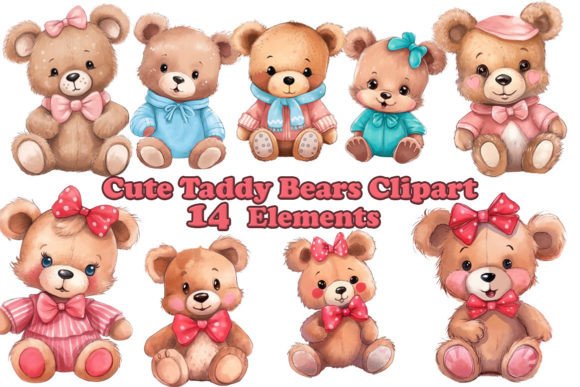
In the world of digital assets, finding elements that strike the right balance between professional polish and genuine warmth can be a challenge. For designers, entrepreneurs, and content creators aiming to connect with family-oriented audiences, the Teddy Bear Clipart collection offers a distinct solution. This isn't just a generic set of illustrations; it represents a specific aesthetic—soft, hand-painted, and deeply personal. When you incorporate Watercolor Teddy Bear imagery into your projects, you are leveraging a visual language that communicates safety, childhood nostalgia, and artistic integrity. This collection serves as a bridge between high-quality commercial assets and the handmade feel that modern audiences crave, making it a strategic addition to any creative toolkit.
Defining the Aesthetic: The Appeal of Hand-Painted Style
Understanding the visual characteristics of this collection is key to using it effectively. The Watercolor Teddy Bear style is defined by its organic textures. Unlike flat vector graphics, watercolor illustrations possess a depth created by color bleeding, gradient washes, and visible brush strokes. This texture adds a layer of authenticity that resonates with viewers. The personality of these assets is inherently soft and approachable. They lack the hard, digital edges that can sometimes make brand collateral feel sterile. Instead, they evoke a sense of comfort and care, which is essential for brands in the parenting, education, or wellness sectors.
The overall appeal lies in the versatility of the soft edges. In terms of modern typography and layout, these illustrations act as a grounding element. When paired with a clean sans serif font, the contrast between the organic bear illustration and the structured text creates a dynamic visual hierarchy. Conversely, pairing them with a script font or handwritten font can amplify the whimsical, storybook quality of the design. This adaptability makes the Teddy Bear Clipart more than just a decorative element; it becomes a functional component of your design system that can dictate the mood of the entire layout.
Strategic Applications Across Industries
For small business owners and marketers, the utility of high-quality clipart extends far beyond simple scrapbooking. This collection is a robust set of design assets suitable for a variety of commercial applications. In packaging design, for instance, a watercolor bear can serve as the focal point for product labels on children’s clothing, organic baby food, or artisanal toys. The high-resolution 300dpi files ensure that the artwork remains crisp even when scaled for larger print formats, such as posters or signage for brick-and-mortar retail environments.
In the digital sphere, the application is equally broad. Content creators and bloggers can use these illustrations to break up text-heavy layouts, creating visual interest that keeps readers engaged. For social media graphics, a consistent use of the Watercolor Teddy Bear can become a signature element of your brand identity. It creates a recognizable visual thread across platforms like Instagram and Pinterest. Furthermore, these assets are invaluable for digital product creators. If you are designing printable party supplies, nursery wall art, or educational worksheets, these PNG elements with transparent backgrounds allow for seamless layering over patterns, photos, or solid color fields.
Integrating Clipart into Professional Workflows
Successfully incorporating these illustrations requires more than just dragging and dropping a file. It involves evaluating the project fit and ensuring the style aligns with the message. One practical recommendation is to treat the Teddy Bear Clipart as a central brand asset rather than an afterthought. If you are developing a logo design for a childcare center, the bear’s pose and color palette should influence your typography choices. For example, if the bear features warm earth tones, your serif font or sans serif font selections should complement those hues to maintain color harmony and visual consistency.
Another critical aspect is testing font pairings. Because watercolor art is detailed, it pairs best with typefaces that offer clarity. A highly ornate display font might compete with the illustration for attention, leading to a cluttered design. Instead, consider a modern, geometric sans-serif for headlines to let the artwork breathe. When testing your layout, zoom out to check the "squint test"—if you squint at your design, the hierarchy should still be clear. The bear should draw the eye, but it should not obscure the call to action or the primary message.
Technical Considerations and Licensing
From a technical standpoint, the specifications of this collection are built for professional use. The files are provided as PNGs with transparent backgrounds, which eliminates the time-consuming process of manual clipping paths. This is particularly useful for editorial design where images need to overlap with text blocks or other graphic elements. The dimensions (5" to 8") are optimized for a wide range of uses, from small web icons to medium-sized print inserts.
However, it is vital to address the licensing constraints. The instruction "YOU MAY NOT SHARE these original files and RESELL them" is a standard and necessary boundary in the digital asset market. This restriction protects the intellectual property of the artist, Viva, and ensures the value of the asset remains intact for legitimate buyers. For entrepreneurs and agencies, this means you can use the art in your end products (like a finished invitation or a marketing flyer), but you cannot resell the raw clipart files as a standalone product or share the source files with other designers who haven't purchased a license. Respecting these boundaries is part of maintaining a professional brand identity and ethical business practice.
Conclusion
The Watercolor Teddy Bear collection is more than a set of cute images; it is a versatile toolkit for creating emotionally resonant designs. Whether you are a blogger looking to add personality to your site, a marketer crafting a campaign for a family brand, or a crafter designing personalized gifts, these assets provide the quality and style needed to elevate your work. By thoughtfully integrating these illustrations with complementary typography and respecting the usage guidelines, you can create professional, engaging, and cohesive visual content that stands out in a crowded digital landscape.