Self Care Clipart: 29 Illustrations to Enhance Your Projects
In a digital landscape saturated with generic stock imagery, finding visual assets that evoke genuine warmth and relatability can be a challenge. We often search for that perfect image to capture a mood, an aesthetic, or a feeling—and when the subject is something as personal as self-care, the visuals need to feel authentic. This is where a well-curated set of Self Care Clipart becomes an invaluable resource for creators. It’s not just about decorating a page; it’s about communicating a message of comfort, mindfulness, and personal well-being through carefully crafted illustrations.
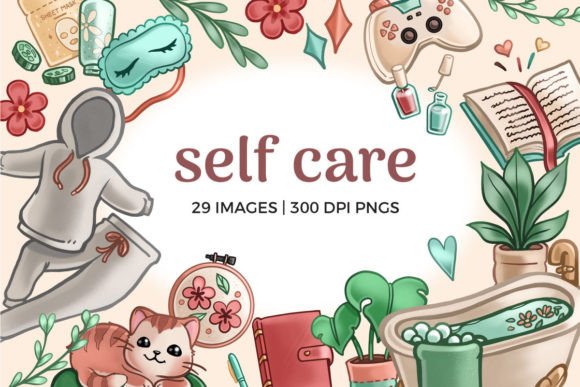
This particular collection offers a cohesive narrative. It moves beyond simple icons to present a lifestyle. With 29 distinct graphics, the set includes charming illustrations of pets, cozy apparel, steaming cups of tea, journals, candles, and even a vintage record player. Each element is rendered in a style that balances whimsy with clarity, making it versatile enough for professional branding yet personal enough for a heartfelt blog post or a planner layout. The true utility of these assets lies in their format: high-quality 300 DPI transparent PNG files. This technical specification is crucial. The transparent background allows each illustration to be layered seamlessly onto any color, pattern, or photograph, eliminating the clumsy, boxed-in look of standard JPEGs. For a designer or content creator, this means less time wrestling with masking tools and more time focusing on the creative composition.
Visual Character and Practical Application
The personality of this Self Care Clipart set is distinctly approachable. The illustrations likely utilize soft lines and a friendly aesthetic, steering clear of overly complex or abstract designs. This "cute" factor is not merely decorative; it is a strategic asset. In visual communication, soft, rounded shapes and relatable objects (like a comfy sweater or a sleeping pet) trigger an emotional response associated with safety and relaxation. This makes the clipart particularly effective for brands and projects that aim to build trust and rapport with their audience.
Consider the versatility across different mediums. For packaging design, imagine a small tea company using the tea cup or candle illustration on their box sleeves or hang-tags to reinforce the sensory experience of their product. In editorial design, a magazine editor could use these graphics as spot illustrations to break up long blocks of text in articles about mental health, wellness routines, or cozy home decor. The 6x6 inch dimension is generous, providing enough resolution to be featured prominently without pixelation, yet they are small enough to serve as subtle accents in a complex layout.
For the digital space, specifically web design and social media graphics, these assets solve a common problem: visual consistency. Entrepreneurs and small business owners often struggle to maintain a cohesive feed on platforms like Instagram or Pinterest. By utilizing this clipart set, a wellness coach or a lifestyle blogger can create a recurring series of posts—perhaps a "Sunday Reset" theme using the journal and candle graphics—that instantly become recognizable to their followers. This consistency builds brand identity far more effectively than random, disparate stock photos.
Integrating Assets into Your Brand Identity
When we talk about brand identity, we often focus heavily on typography and color palettes. However, the supporting design assets—the illustrations, textures, and icons—play an equally vital role in defining how a brand is perceived. A premium font sets the tone for your headlines, but the accompanying imagery provides the context and emotional texture.
This set of Self Care Clipart acts as a visual bridge. If your brand uses a clean sans serif font for a modern look, adding one of these hand-drawn style illustrations can soften the edges, making the brand feel more human and less corporate. Conversely, if your brand leans into a handwritten font or script font for a personal touch, these illustrations will harmonize perfectly, reinforcing that artisanal, crafted feel.
Let’s look at specific scenarios where this integration is powerful:
- Logo Design and Branding: While you wouldn't use a clipart piece as the primary logo mark for a major corporation, for small businesses—especially those in the Etsy market, coaching, or boutique retail—these illustrations can serve as secondary brand marks or "brand buddies." That sleeping cat or cozy sock could become a mascot that appears on invoices, thank-you cards, and social media avatars.
- Digital Products: If you are a creator selling digital planners, journals, or printable wall art on platforms like Creative Market, these assets are essential. They allow you to decorate your products without having to draw from scratch. The transparent PNG format ensures they layer beautifully over the paper textures of your planners.
- Email Marketing: Newsletters often suffer from visual monotony. Dropping a small illustration of a record player or a tea set into your email header or section dividers can increase engagement. It breaks the visual scan pattern and draws the eye, encouraging the reader to slow down and consume the content—fitting perfectly with the self-care theme.
Strategic Selection and Design Harmony
Adopting new design assets requires a strategic eye. It is tempting to use every piece in a set simply because it is there, but restraint is the hallmark of professional design. When incorporating this Self Care Clipart, evaluate the visual weight of each illustration. A dense, highly detailed drawing of a record player will carry more visual "weight" than a simple outline of a candle. Use the heavier illustrations as focal points in your layout and the lighter ones as supporting elements.
Furthermore, consider the interaction between the clipart and your typography. Modern typography often relies on contrast and hierarchy. If you are using a bold display font for a headline, placing a busy illustration directly next to it might create visual clutter. Instead, allow for white space. Let the illustration breathe. This enhances readability and ensures that the text remains the primary vehicle for your message, while the illustration enhances the mood.
The color palette of the clipart should also be considered. While these are often provided in a specific color scheme, high-quality PNGs can sometimes be adjusted or colorized to match your specific brand hex codes using basic photo editing software. This ensures that the "cute pets" or "comfy clothes" feel like they were drawn specifically for your brand, rather than pasted on as an afterthought. This level of customization elevates a project from a hobbyist scrapbook to a professional brand identity system.
Final Thoughts on Utility and Value
Ultimately, the value of a resource like this lies in its ability to save time while elevating quality. Creating custom illustrations for every blog post, social media graphic, or packaging mockup is time-prohibitive for most content creators and small business owners. A curated set of Self Care Clipart provides a library of visual solutions ready to be deployed.
Whether you are designing a calming landing page, curating a cozy Instagram aesthetic, or packaging a handmade product, these 29 illustrations offer a versatile toolkit. They bridge the gap between professional graphic design needs and the desire for authentic, heart-centered visuals. By thoughtfully integrating these elements, you not only beautify your projects but also communicate a clear, consistent message of care and attention to detail to your audience.